Rom-coms, dystopias, family sagas, and full-on conceptual weirdness – this set of recent reads couldn’t have been more different if they tried.
Some of these I tore through in a day, others I wrestled with, and a few left me hovering somewhere between admiration and mild irritation.
Let’s get into it…
The Centre by Ayesha Manazir Siddiqi
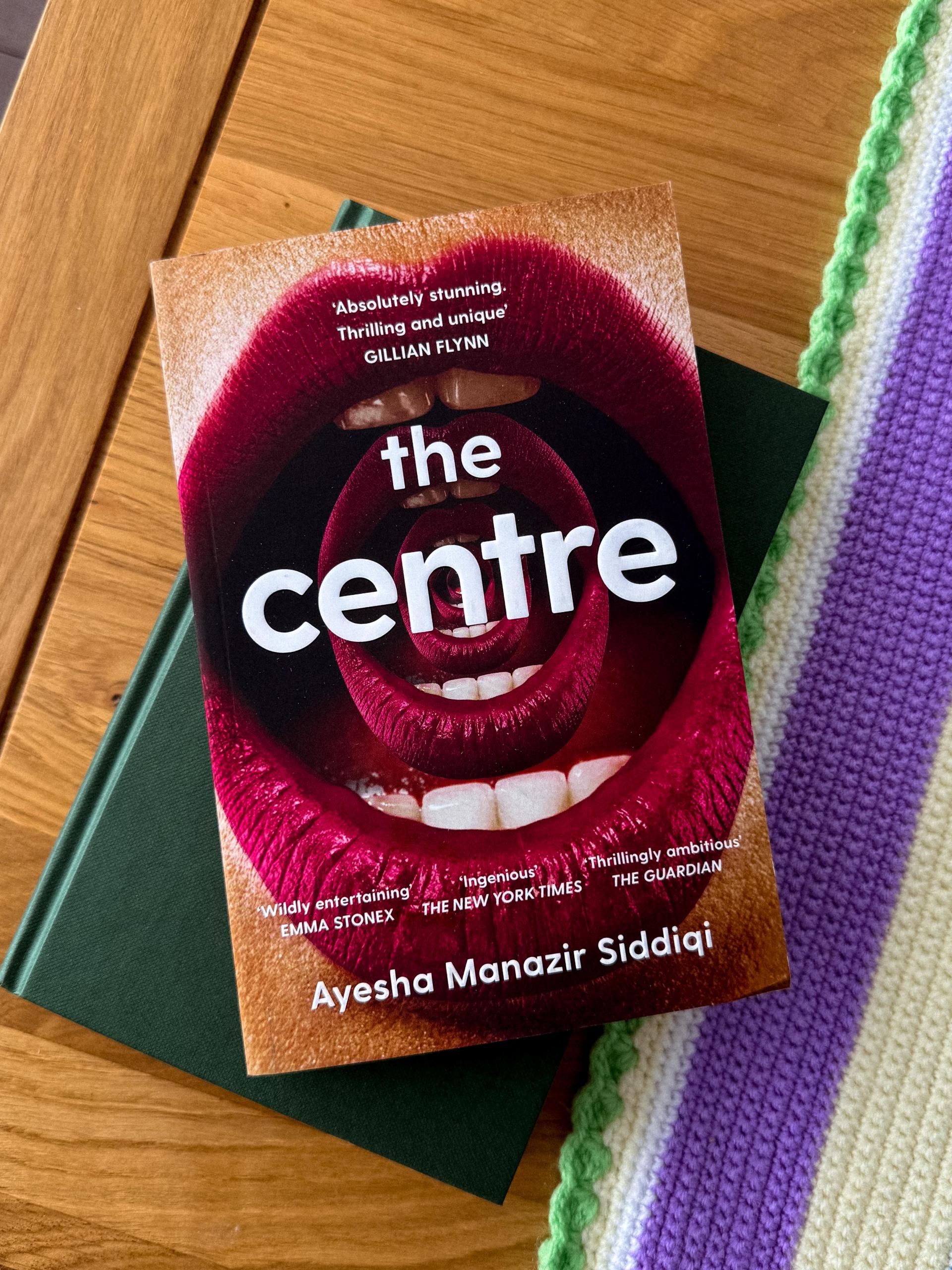
Anisa Ellahi wants to be a literary translator, but spends her days subtitling Bollywood films in London and drifting between ambition and disillusionment. When she meets Adam, a linguist who suddenly acquires flawless Urdu, she’s introduced to The Centre – an exclusive programme that promises complete fluency in any language in just ten days.
Drawn in by the allure of transformation, Anisa enrols and is soon immersed in a strange, highly controlled environment where language learning becomes intense, isolating, and increasingly uncanny. As her fluency grows, so does her unease about what the Centre is really doing and what it asks in return.
The novel uses this premise to explore language as power: who gets access to it, how it’s commodified, and how it intersects with colonial histories, class aspiration, and cultural authority. It also touches on identity, desire, and the pressures of belonging across borders, especially through Anisa’s complicated sense of self and her relationships.
Blending realism with surreal, almost allegorical elements, Siddiqi creates a world that is both grounded and unsettling, with a protagonist who is sharp, flawed, and compelling to follow even when difficult to warm to. The Centre is an ambitious, idea-driven novel that raises more questions than it answers, particularly around the ethics of language, consumption, and cultural ownership.
Tender Is the Flesh by Agustina Bazterrica
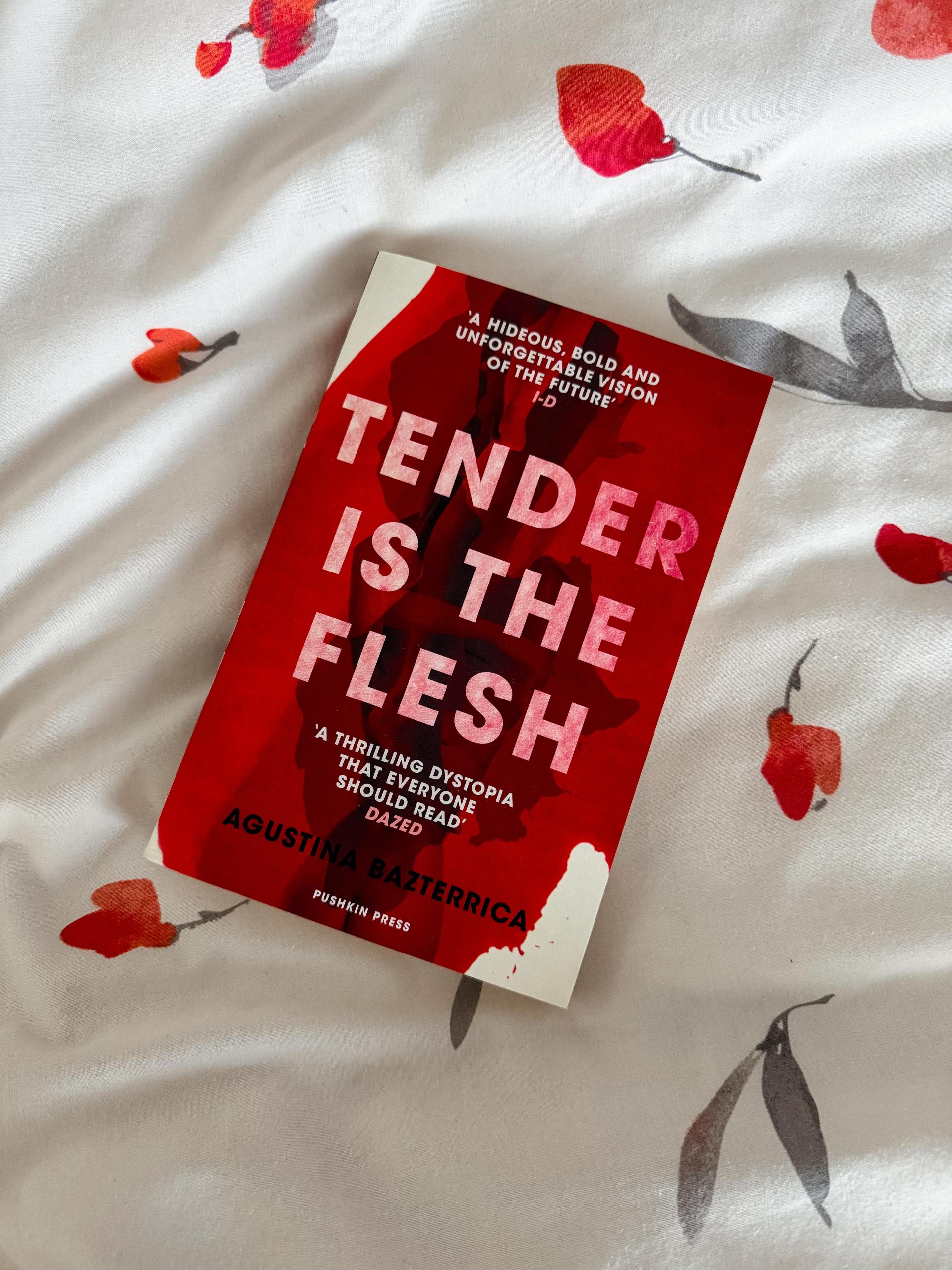 In a future where animal meat is toxic, humans are bred and processed as “special meat.” Marcos works at an industrial slaughter facility, carrying out routine killings while trying not to think too closely about what the system actually is.
When he’s given a live specimen, his emotional detachment starts to fracture, but the novel stays tightly focused on his gradual unease rather than any real resistance or change.
Bazterrica builds a stark allegory about consumption, language, and the bureaucratic normalisation of violence. The concept is clear and provocative, drawing obvious parallels to real-world systems of industrial meat production, desensitisation, and consumption. However, the execution leans heavily on shock and repetition, with limited character development and a thin emotional core. At times it feels more intent on sustaining its grim premise than deepening it. A bleak, high-concept dystopia: memorable for its idea and imagery, but uneven in depth and impact.
Funny Story by Emily Henry
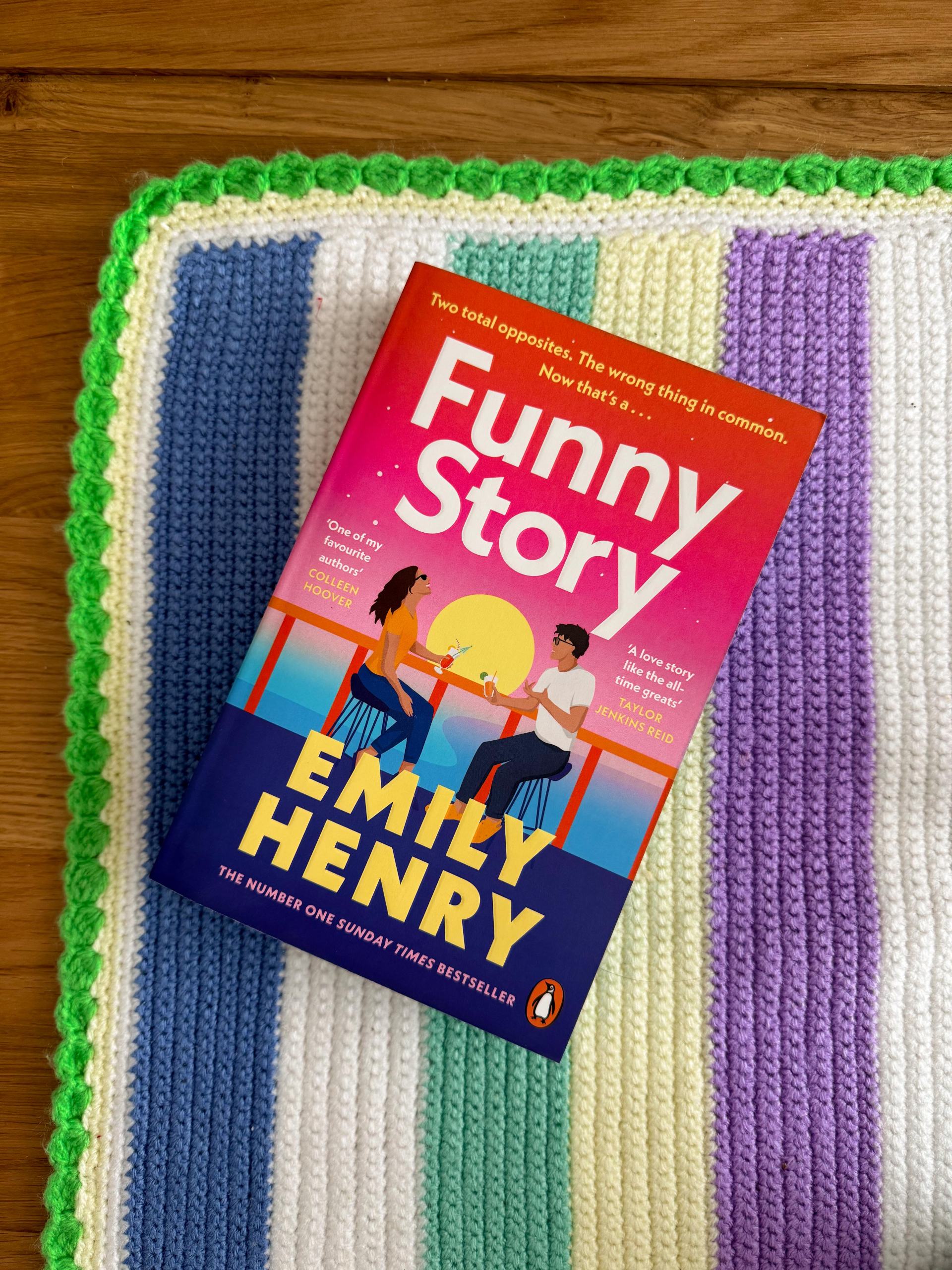
Welp. I guess I’m an Emily Henry girlie now.
Rom-com novels are always a bit hit-and-miss for me, despite how much I love the genre, but Emily Henry has yet to steer me wrong – even if I didn’t totally love You and Me on Vacation. As I write this, I am flying through Beach Read.
Daphne Vincent has always loved the tidy story of her life – until her fiancé Peter leaves her for his childhood best friend. Suddenly stranded in a lakeside Michigan town, she’s stuck starting over with a dream job that barely pays the bills and no real plan for what comes next.
Her unexpected solution is Miles Nowak: her ex-fiancé’s new partner’s ex. He’s the opposite of everything she is – chaotic, easygoing, emotionally unguarded – and their shared misfortune pushes them into an uneasy cohabitation that slowly shifts into something more complicated.
Emily Henry uses all the romance staples: fake dating, forced proximity, opposites attract, friends to lovers. Yet, it feels effortless, funny, and emotionally grounded rather than formulaic. The real draw is the chemistry between Daphne and Miles: messy, tender, and built through small, believable shifts rather than grand gestures.
It’s trope-y in the obvious way, but the execution is what makes it work: the small moments, the tension that builds in silences, the way they actually feel like they’re figuring each other out rather than just being pushed through plot beats.
Basically: very readable, very addictive, very “I shouldn’t care this much but I do.”
Lost Lambs by Madeline Cash
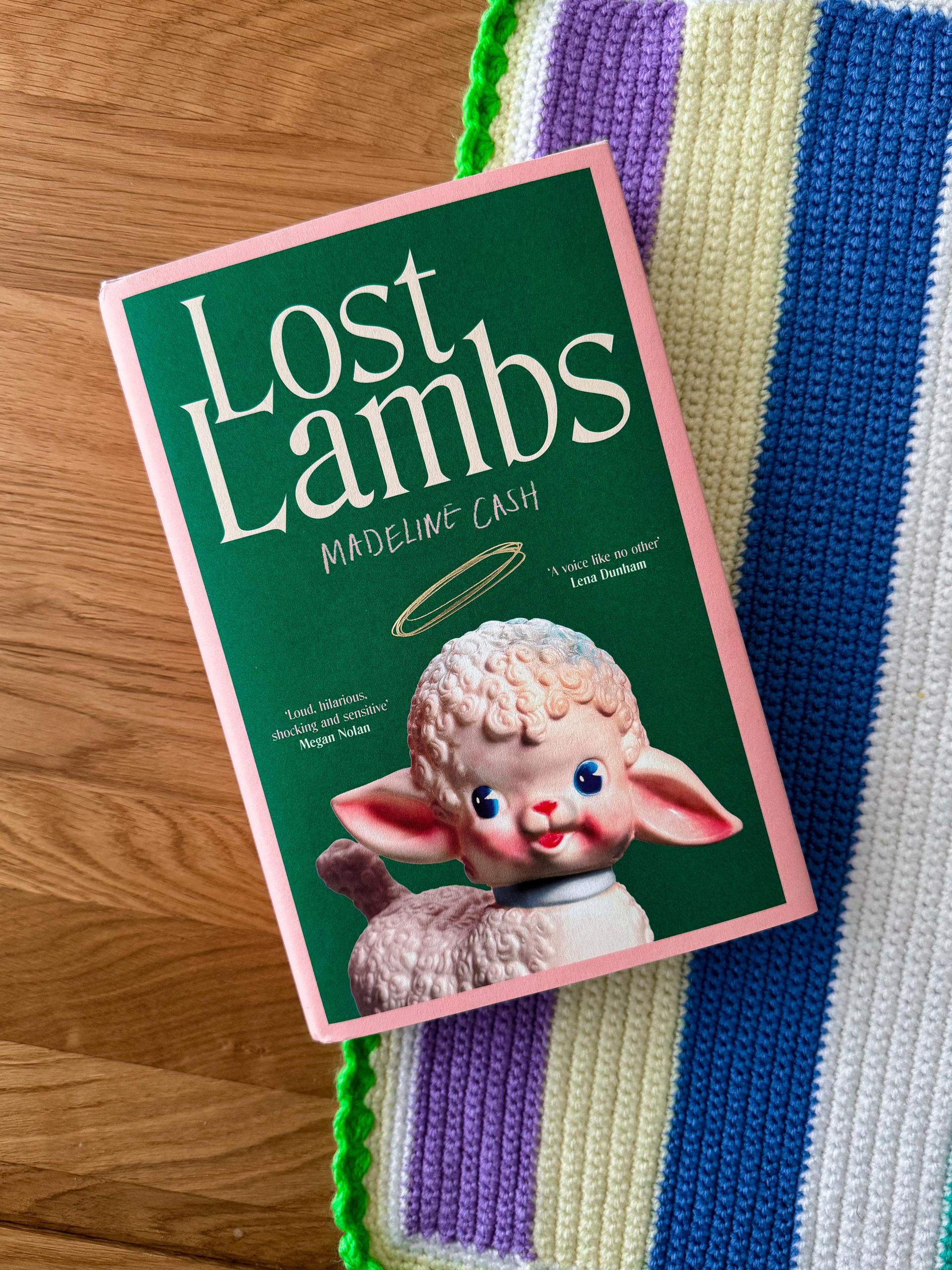
The Flynn family is quietly falling apart. Catherine and Bud’s open marriage is cracking, and their three daughters are each spiralling in increasingly unhinged directions: Abigail is dating a man nicknamed War Crime Wes, Louise is secretly corresponding with an online terrorist, and youngest Harper is being sent to wilderness reform camp after insisting the town is under surveillance.
Hovering over it all is Paul Alabaster, a billionaire shipping magnate with rumours of corruption circling just beneath the surface. When Harper becomes obsessed with a mysterious shipping container tied to him, the family is pulled into a loose, escalating conspiracy that’s meant to bind them together as much as unravel everything else.
On paper, it’s a dysfunctional family satire with a conspiratorial edge and a darkly comic tone – fast-paced, irreverent, and deliberately chaotic, switching between multiple perspectives across the Flynn orbit.
In practice, it often leans hard into a very self-aware, ironic “quirky” register that can make the characters feel flattened rather than fully drawn, with everyone speaking in the same kind of snarky, millennial-inflected voice.
The absurdity of the plot and its heightened character concepts sometimes tips over into feeling more random than sharp, and the emotional or thematic grounding doesn’t always keep up. It’s frequently entertaining in the moment, but the satire doesn’t always land with enough depth to justify the level of weirdness it’s aiming for, especially when it comes to the handling of family dynamics and the open marriage at its centre, which feels more like a premise than something meaningfully explored.
Fast, messy, and clearly going for bite, but ends up feeling more like controlled chaos than something with lasting weight.

Leave a Reply