• About
  • FAQ
  • Review Policy
  • Nav Social Icons

  • Skip to primary navigation
  • Skip to main content
  • Skip to primary sidebar
  • Skip to footer

Samantha Kilford

Bookworm & Corporate Gal

  • About
  • FAQ
  • Activism
  • PR
  • Categories
    • Ramblings
    • Books
    • Food
    • Travels

Reading Round-up: Mona Awad, Donna Tartt, Olivie Blake, Angela Carter + More!

May 24, 2026 · In: Book Review, Books

lena dunham hbo girls GIF by Girls on HBO - Find & Share on GIPHY

So, the end of 2025 was a bit of a write-off. Long story short: I was in and out of hospital – occasionally lucid, occasionally fully hallucinating – and somehow managed to lose about 10kg in a sequence of events that I can only describe as ‘Victorian orphan slowly fading from consumption.’

I don’t remember much about the last four and a bit months of 2025 beyond the trauma of being bled dry and the endless scans, but I’m thankfully much better. We’re still not entirely sure what actually caused it, but what I do know is that I apparently can’t eat about 90% of my favourite foods anymore. Sad, sad times. Pizza, I miss you every day.

But the upside of being horizontal for months is that you suddenly have an enormous amount of time to read. Assuming, of course, your brain is functioning well enough to actually process the words on the page.

But I’m (somewhat) back – and before I launch into all the books I’ve been loving so far in H1 2026, here’s a little look at what kept me entertained during the long waiting hours in SDEC last year…

Immaculate Conception by Ling Ling Huang
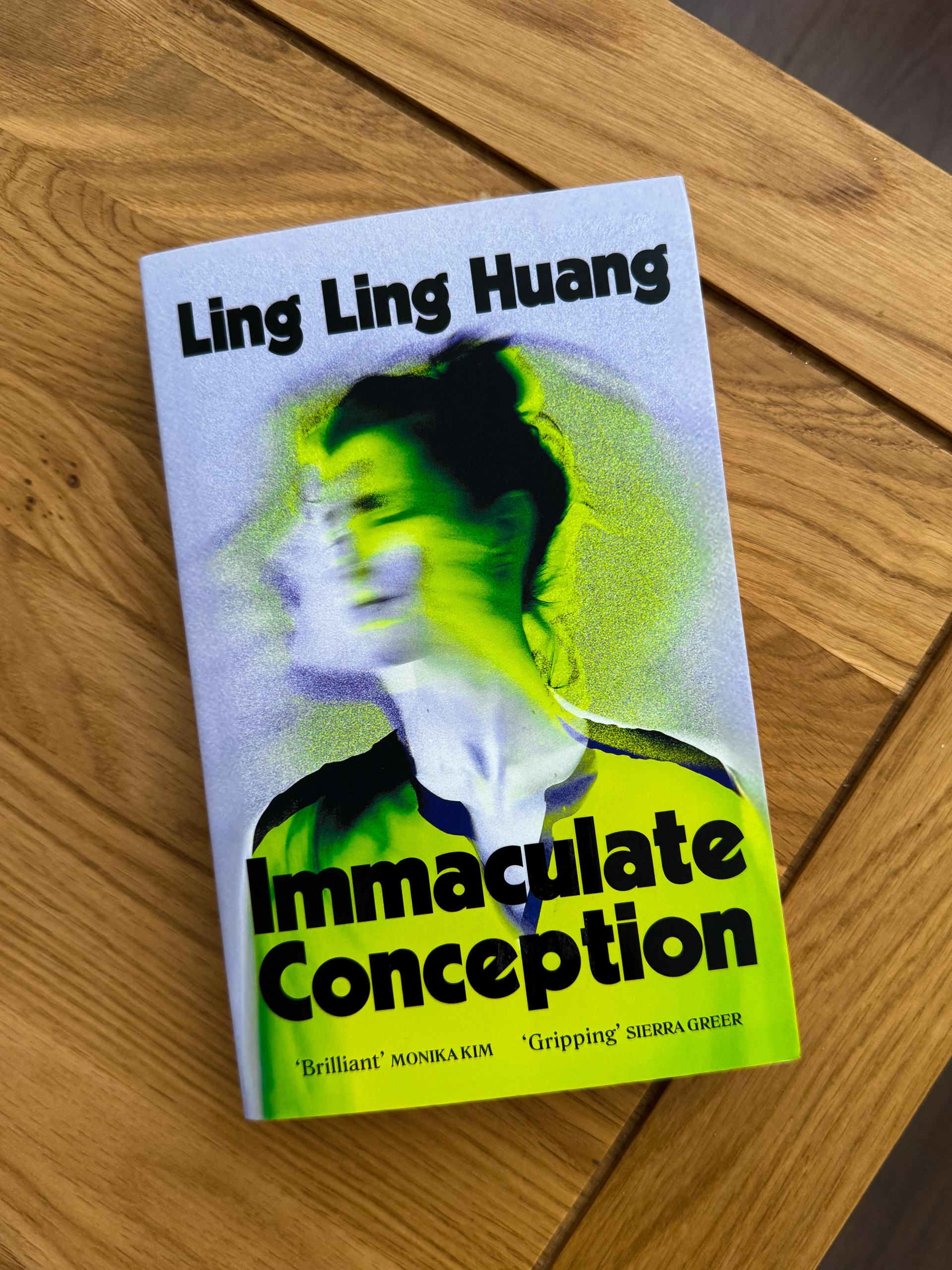
The premise: what if you could literally enter the mind of the person you love most?

Enka becomes obsessed with her artist friend Mathilde and, as Mathilde’s success begins pulling her away, turns to an experimental technology designed to let one person inhabit another’s consciousness. Which goes about as well as you’d expect.

This is a book about artistic envy, codependency, exploitation, and the terrifyingly thin line between love and possession. Enka is such a fascinating narrator because she genuinely believes she’s caring for Mathilde while slowly consuming her alive. The horror here isn’t really the sci-fi element but rather the unbearable human-ness of it all.

Bleak, brilliant, overwhelming at points, Immaculate Conception is one of those books that leaves you staring into space afterwards.

Mrs. Jekyll by Emma Glass
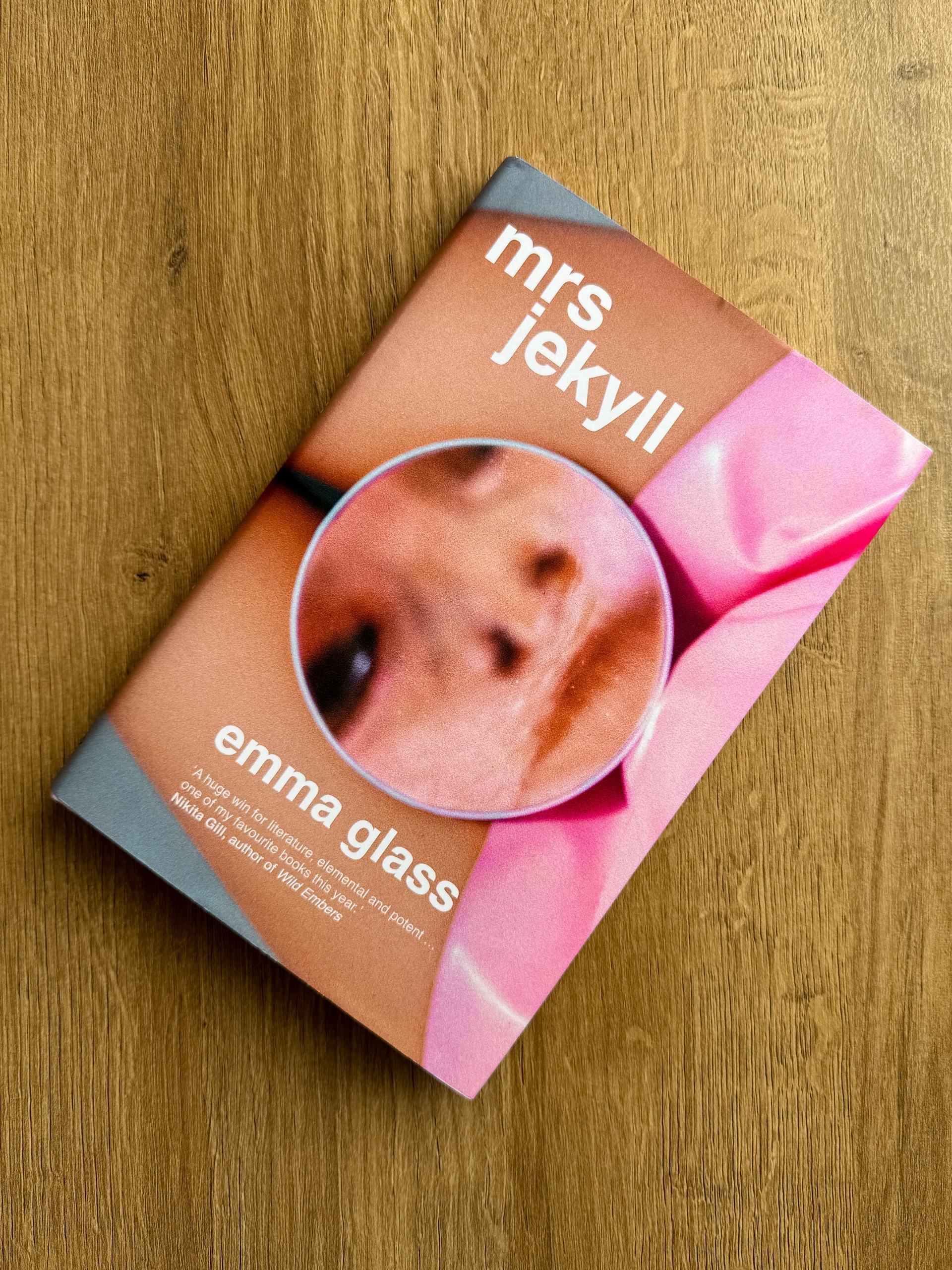
Mrs. Jekyll is a feminist, hallucinatory reimagining of one my favourites Gothic works Strange Case of Dr Jekyll and Mr Hyde. It follows Rosy Winter, a schoolteacher dying from terminal cancer as something darker and more feral begins emerging inside her. The more people pity her – especially as her husband shifts from partner to caretaker – the more this seductive, furious alter-ego seems to grow.
It’s devastating, but also weirdly exhilarating. Glass plays with form in such a clever way too: Rosy’s sections feel grounded and conventional, while the “Hyde” voice becomes fragmented, breathless, almost animalistic. You can feel the transformation happening stylistically as much as narratively.

What really got me was how the novel frames illness and womanhood through rage. Rosy is losing control of her body, her independence, her future – but the book refuses to make her passive or palatable. It turns all that pain into something monstrous and sharp-edged instead.

Also: I cried an embarrassing amount for a book under 200 pages. So there’s that.

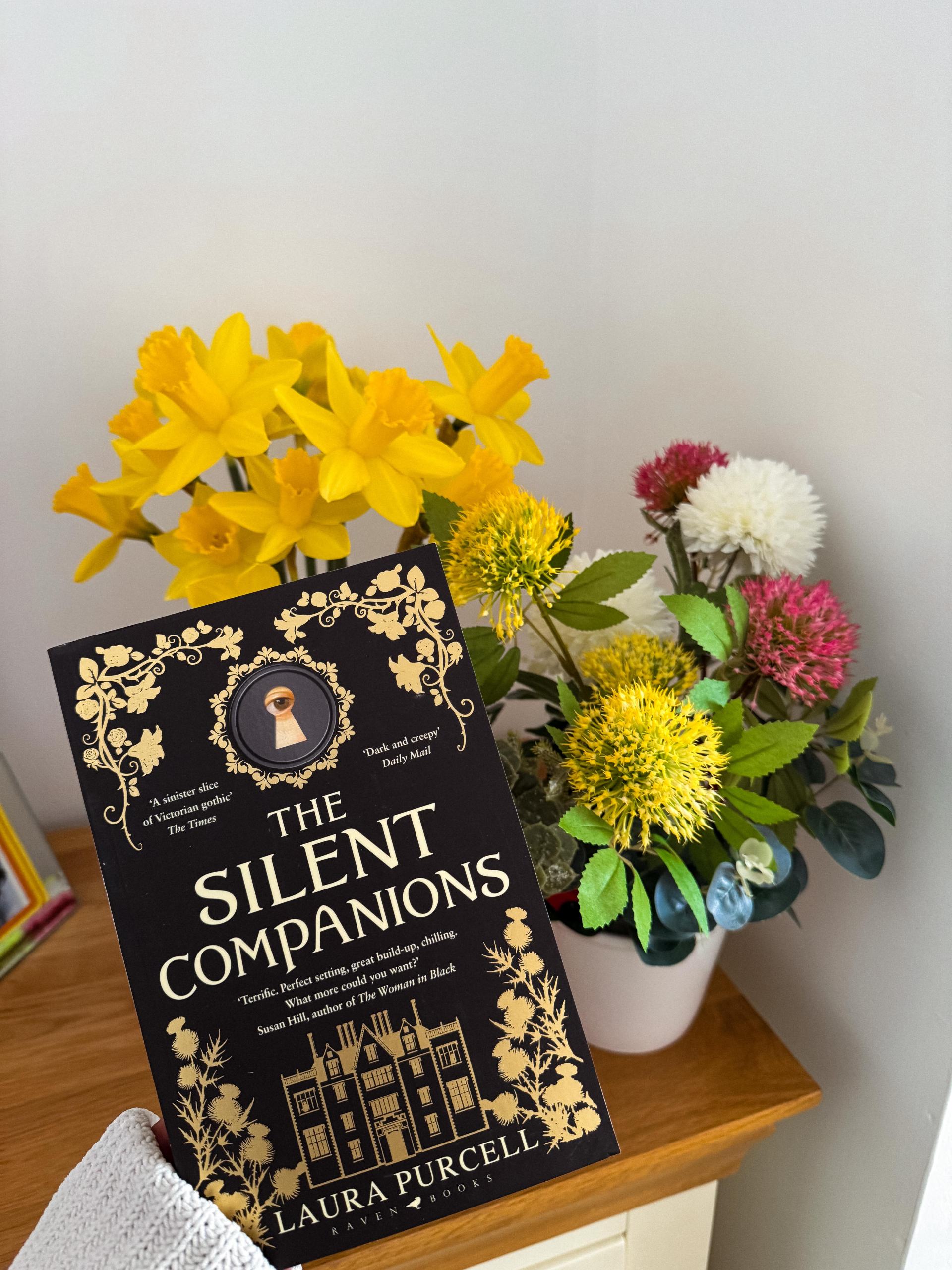
The Silent Companions by Laura Purcell

Ever since The Whispering Muse, I’ve been convinced Laura Purcell could rewrite the phone book as a gothic horror and I’d be sat. After recently finishing House of Splinters (more on that soon!), I’m very much requesting more ominous hissing in my literary life please!

The Silent Companions is PERFECT. It’s a deeply creepy Victorian ghost story about Elsie Bainbridge, who arrives at her late husband’s crumbling country estate pregnant, isolated, and increasingly convinced something in the house wants her dead. Specifically: the life-sized painted wooden figures known as ‘companions’, one of which looks exactly like her.

This book understands that the scariest horror is anticipation. The creaking floorboards, the distant hissing (Hss, Hss!!), the sense that something has shifted in the room when you weren’t looking directly at it. Purcell builds dread so slowly and so effectively that by the end I was genuinely suspicious of corners.

I also loved the way the novel constantly keeps you off balance between haunting and madness. Is Elsie losing her mind under the weight of grief, isolation, and Victorian repression, or is there genuinely something ancient and malevolent lurking in The Bridge? The book never lets you settle comfortably into either answer.

Decaying countryside mansion. Family secrets. Witchcraft. Diaries spanning centuries. Women trapped by circumstance slowly unravelling in candlelight. What more could you want?

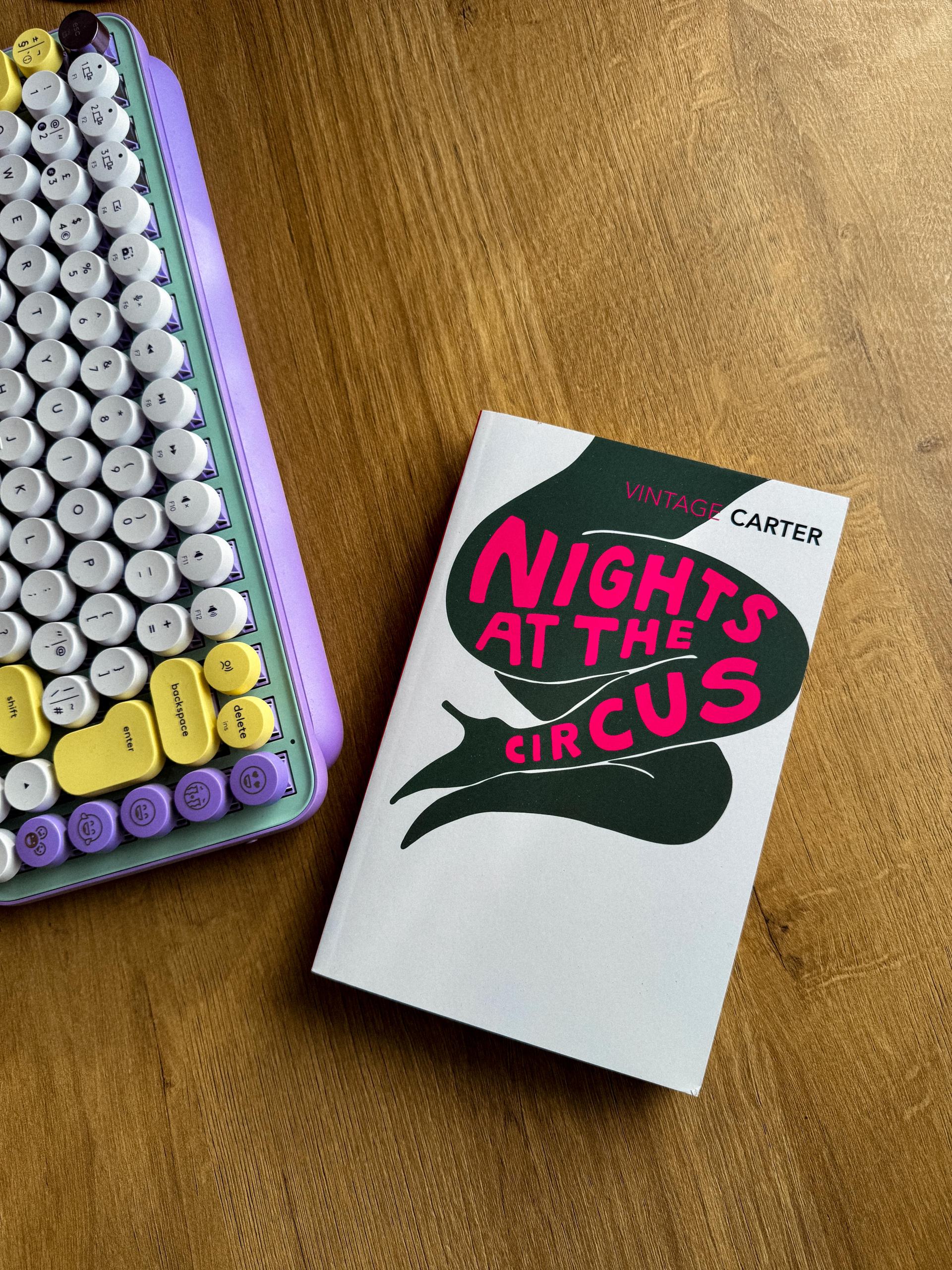
Nights at the Circus by Angela Carter

At the centre of Carter’s epic is Sophie Fevvers: aerialist, celebrity, alleged swan-woman, and professional object of disbelief. Jack Walser, an American journalist, turns up expecting to expose her as a fraud and instead gets progressively derailed into something like devotion, obsession, and full circus employment. As one does.

What follows is pure chaos. Victorian dressing rooms that feel like myth, circuses drifting through pre-revolutionary Russia, train crossing in Siberia, and a whole cast of clowns, prophets, and liminal beings.

It’s also structurally wild. It meanders, loops, detours into side stories that feel like they’ve escaped from other novels entirely, then snaps back into focus at exactly the moment you think it won’t. You end up both lost and hyper-alert.

By the end, I wasn’t sure I understood it so much as I’d been thoroughly enchanted by it. Which feels like the point.

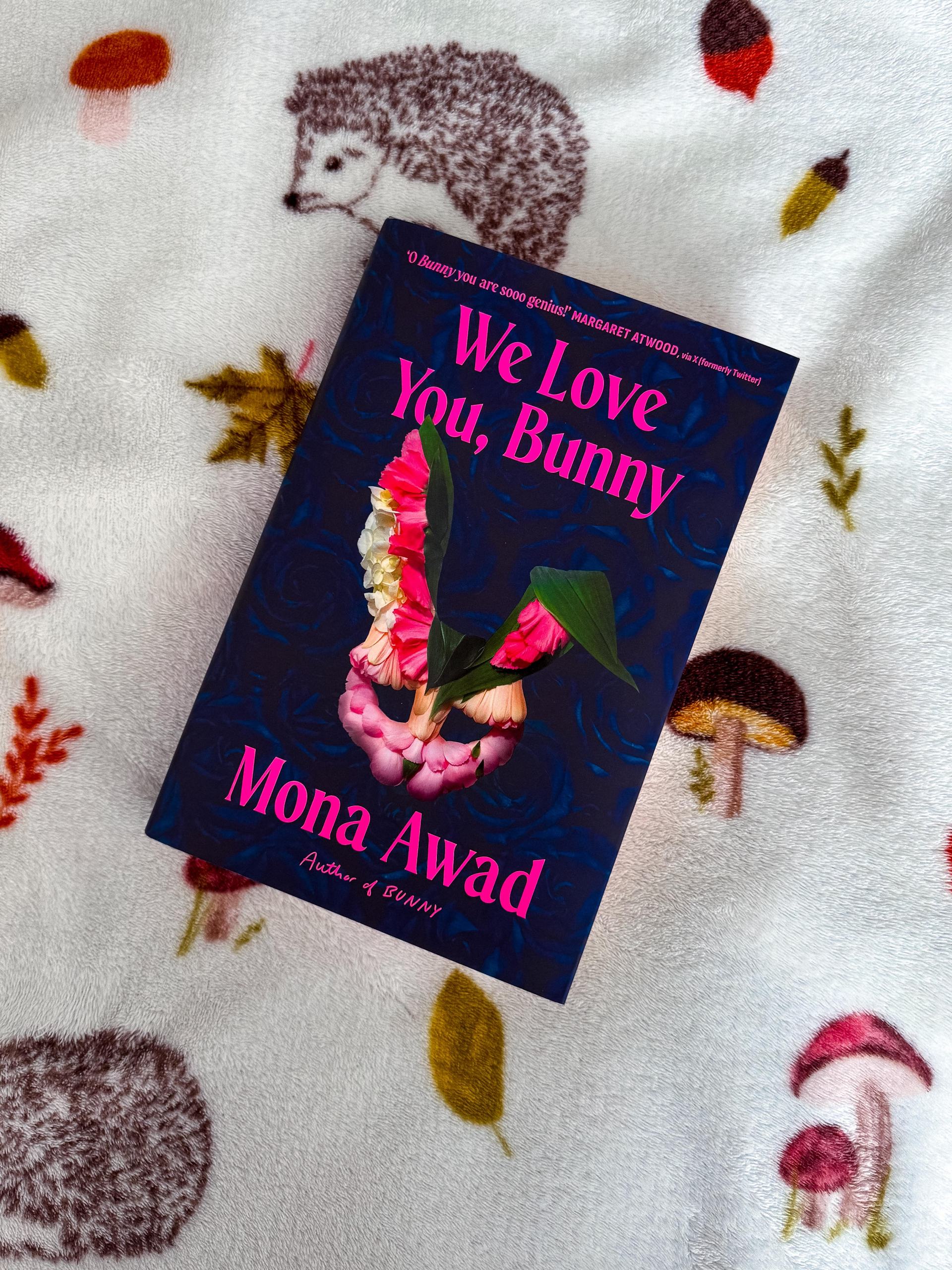
We Love You, Bunny by Mona Awad

If you know me, you know Mona Awad is one my favourite authors right now, so imagine my excitement at a Bunny sequel (even if I still maintain that Rouge and All’s Well are her real masterpieces).
Samantha Heather Mackey is now a published novelist on tour when her former MFA cohort – the eerily sweet, unsettling clique known as the Bunnies – kidnap her at a New England stop. What follows is essentially a hostage situation disguised as a reunion, where each Bunny takes turns narrating their side of the story, and we’re pulled back into the origins of their collective creative madness.

There’s conjuring, there’s chaos, there’s a lot of “what tf is happening” as the Bunnies unpack how their bond formed and mutated.

It’s very much playing in that space of dark academia fairy tale horror with the seductive intensity of artistic ambition. Everything is heightened, stylised, feverish… and that’s an understatement.

And while it’s doing a lot thematically, it sadly didn’t quite land with the same precision or impact as its predecessor.

Still: chaotic, stylish, and fully committed to the Bunny-verse logic.

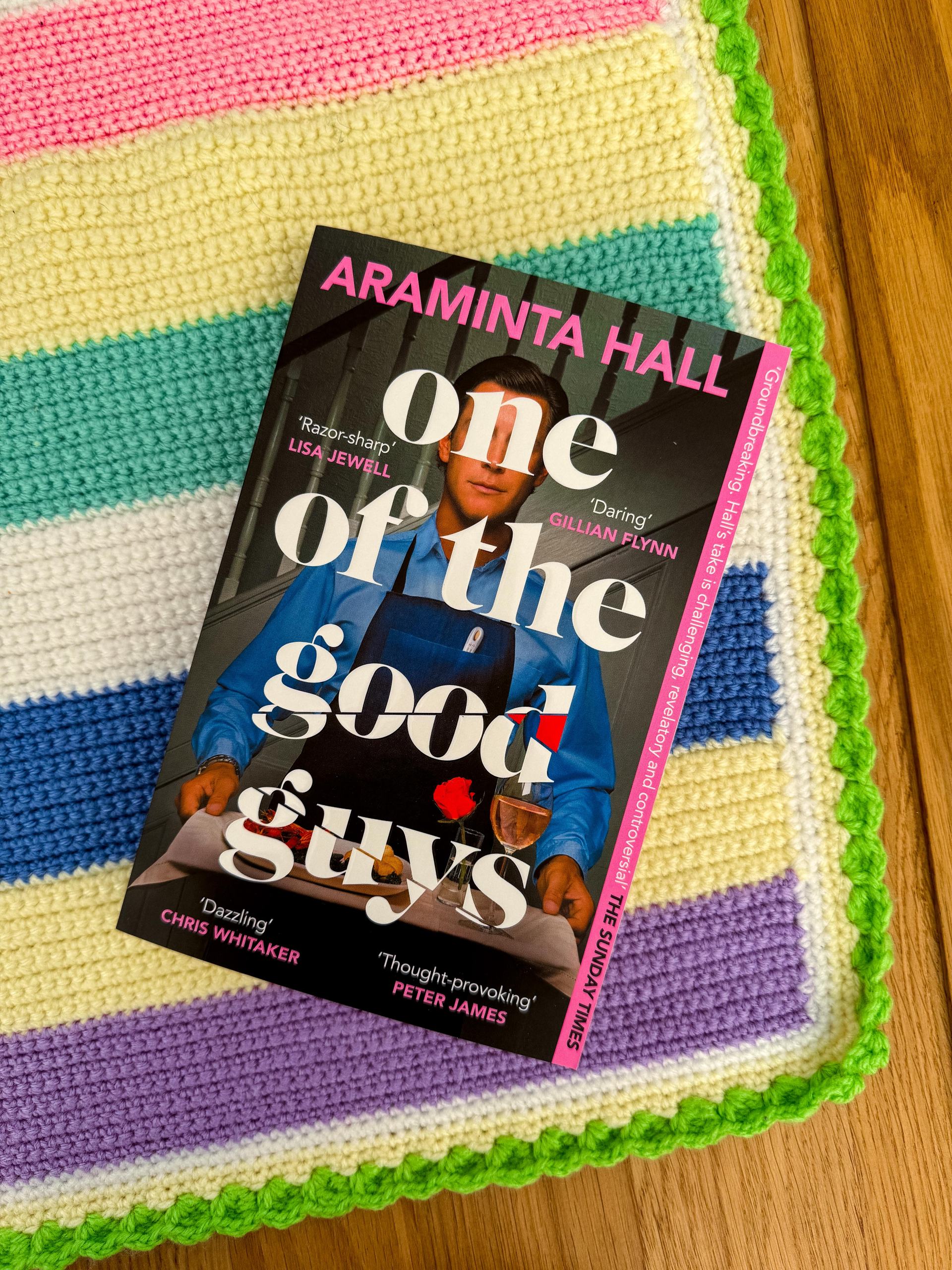
One of the Good Guys by Araminta Hall

Cole is, on paper, exactly what the title promises: a good husband, a supportive partner, a man who says all the right things about feminism, fatherhood, emotional intelligence. The whole package. So when his wife leaves him, he’s genuinely blindsided. He was the good guy, after all.

From there, he retreats to a coastal new life where he meets Lennie, a reclusive artist, and the story tightens into something more claustrophobic and unsettling. At the same time, two young women go missing nearby during a protest against gendered violence, and suddenly the narrative starts to fracture under the weight of suspicion, media noise, and competing versions of truth.

The most interesting part is absolutely the first half: being inside Cole’s head as he rationalises himself. It’s compulsively readable in that slightly nauseating way – watching microaggressions, entitlement, and self-image all quietly align while he still genuinely believes he’s one of the good ones. There’s something almost American Psycho-adjacent about the unreliability, except the horror is how familiar it all feels rather than how extreme it becomes.

The structure does a lot too: shifting perspectives, glimpses of Mel’s relationship with Cole over time, and later fragments of media coverage and public discourse that underline how quickly women’s experiences get turned into argument fodder.

It does become more uneven in its final stretch. Hall’s thematic intent is clear – violence, visibility, how women’s voices are received or dismissed – but the execution of the ‘twist’ wasn’t my favourite. Regardless, it’s a book that sits uncomfortably on purpose.

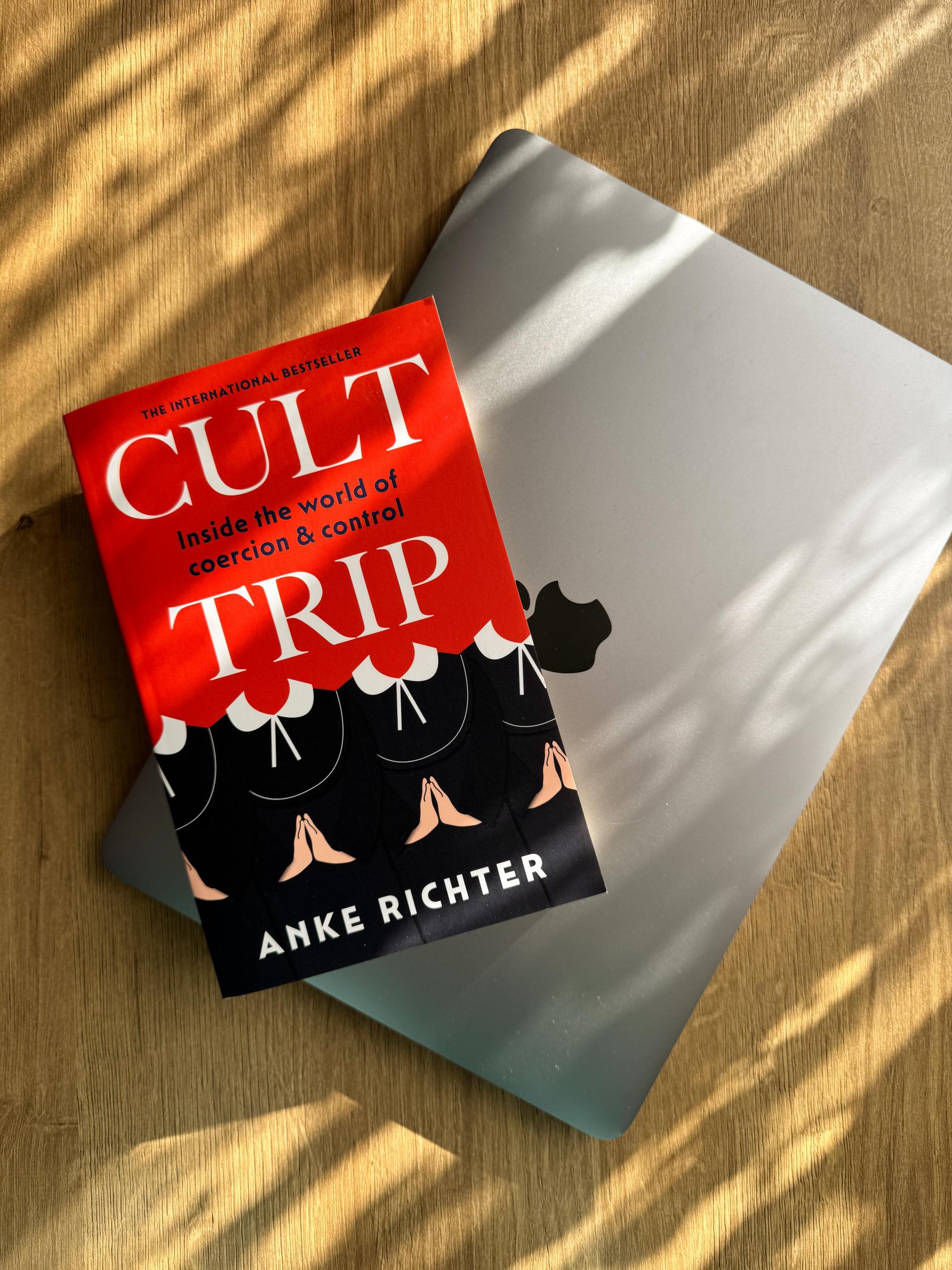
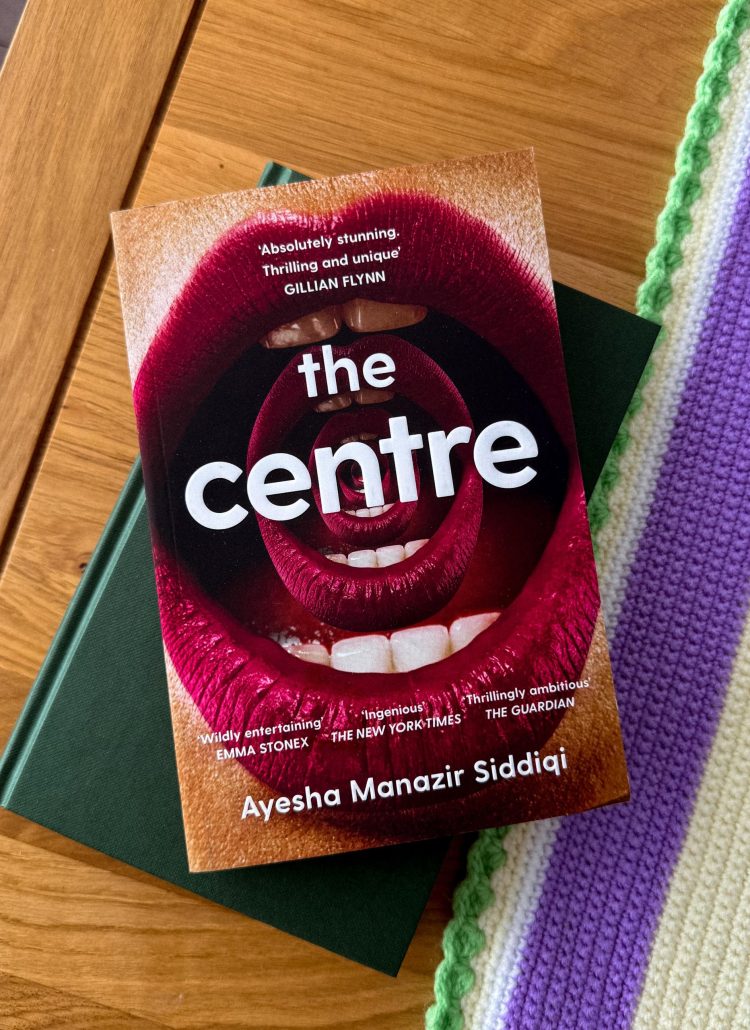
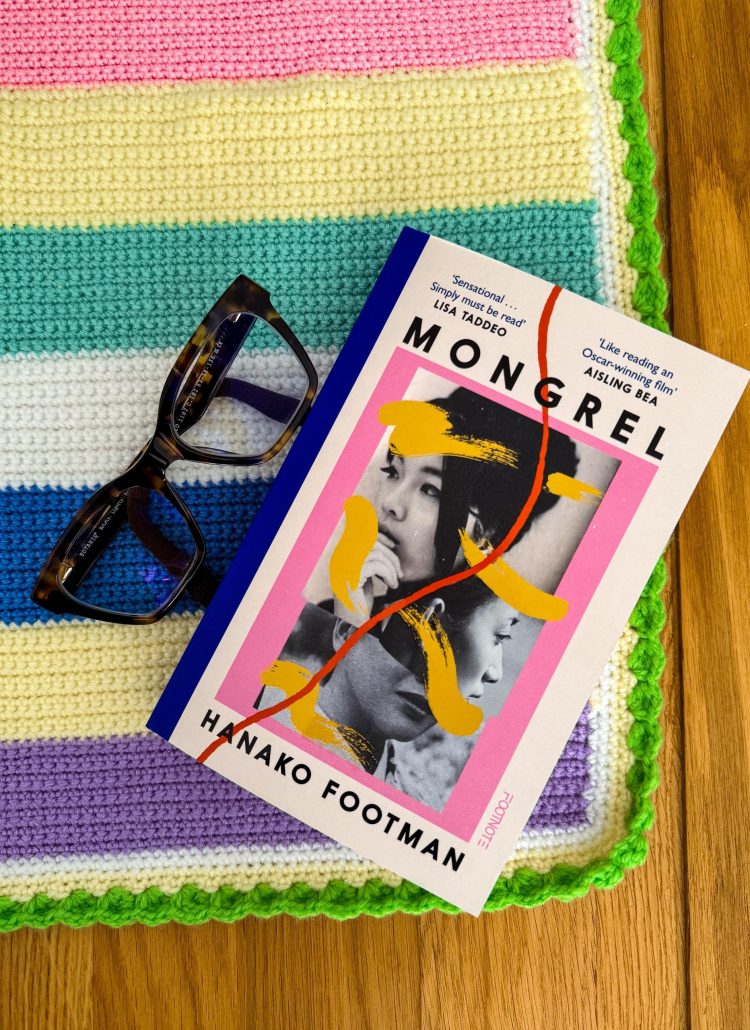
Cult Trip by Anke Richter

In this exploration of cults (yes, I do read non-fiction sometimes!), Richter moves through a range of groups, from Centrepoint in New Zealand to Osho’s ashram in India, tantric yoga communities in Thailand, and Gloriavale.
What emerges is how easily ‘community’ tips into coercion and how seduction and safety can be indistinguishable at the start.

What I really appreciated is how personal the book is. Richter doesn’t position herself as an untouchable expert. She’s open about her own susceptibility to the ‘good’ parts of these systems, which makes the whole thing feel more honest and, frankly, more uncomfortable. It forces you to recognise that the line between observer and participant isn’t as fixed as you’d like it to be.

And then there are the survivor accounts, which are devastating in different ways depending on context, especially where extraction and support systems exist (or don’t). There’s something both hopeful and painful in seeing the contrast between groups where there’s increasing public attention and others where survivors are far more isolated afterwards.

It doesn’t read like a neat ‘cult explainer’ so much as a record of aftermath: what it costs people to leave, what it costs them to stay, and what lingers long after either choice.

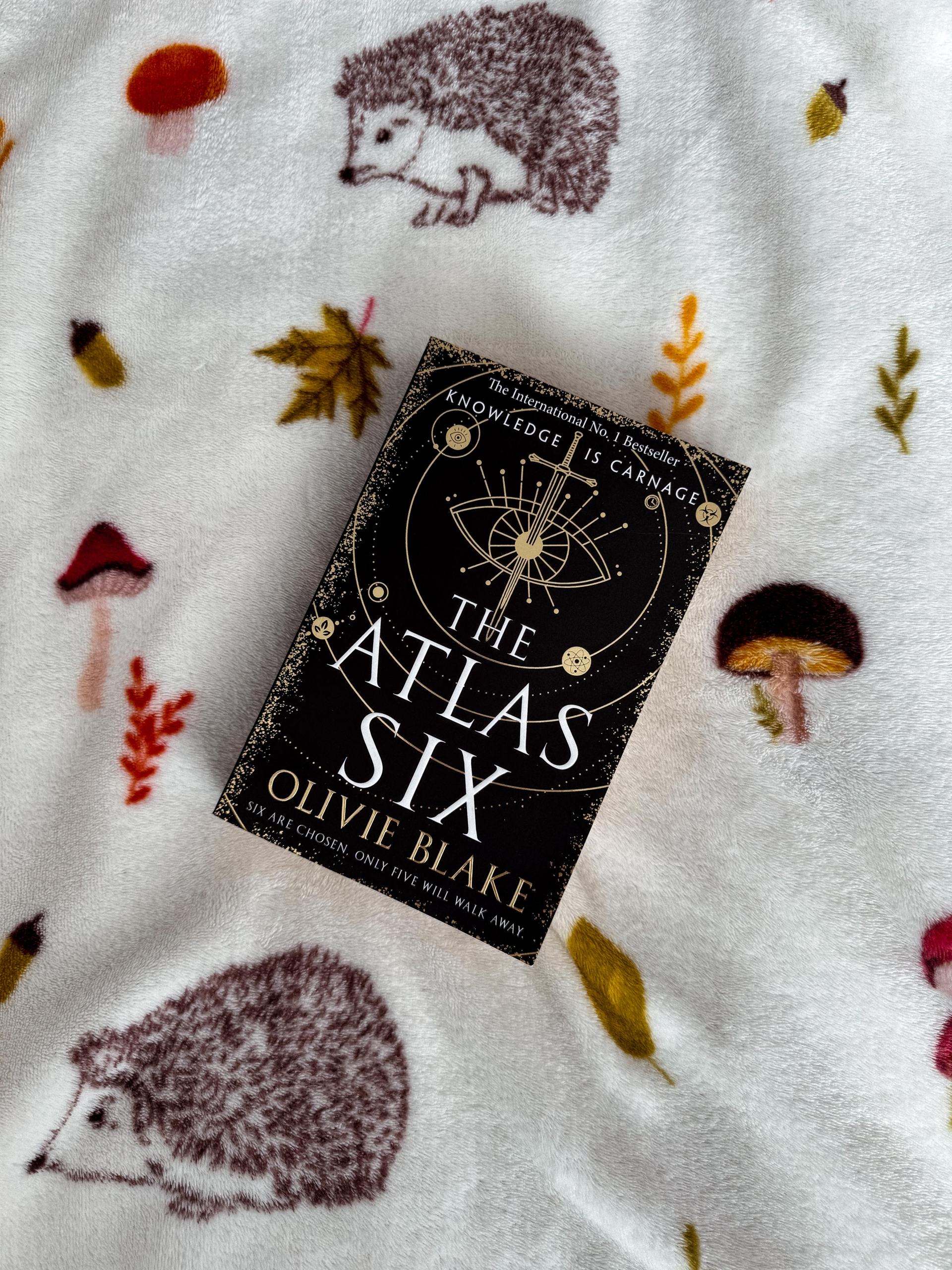
The Atlas Six by Olivie Blake

What happens when you lock six extremely powerful, emotionally unwell academics in a magical library and tell them only five of them get to stay?

The Alexandrian Society is a secret organisation guarding lost knowledge and recruiting six exceptional magicians to compete for initiation. We’ve got telepaths, empaths, illusion-breakers, the list goes on! They’re given access to forbidden knowledge, told to study impossible disciplines, and quietly encouraged to start psychologically unraveling each other.

And yes, the premise is dripping with potential: power, knowledge, obsession, the ethics of access, the seductive horror of being told you’re special enough to abandon your entire life for a library.

The experience of reading it is… divisive. It’s lush and self-indulgent and constantly flirting with profundity without always committing to it. And yet, it’s weirdly addictive. The character dynamics are complicated in exactly the right way: everyone is manipulating everyone, relationships are half rivalry and half psychic entanglement, and the whole thing runs on dark academia aesthetics and sheer emotional instability.

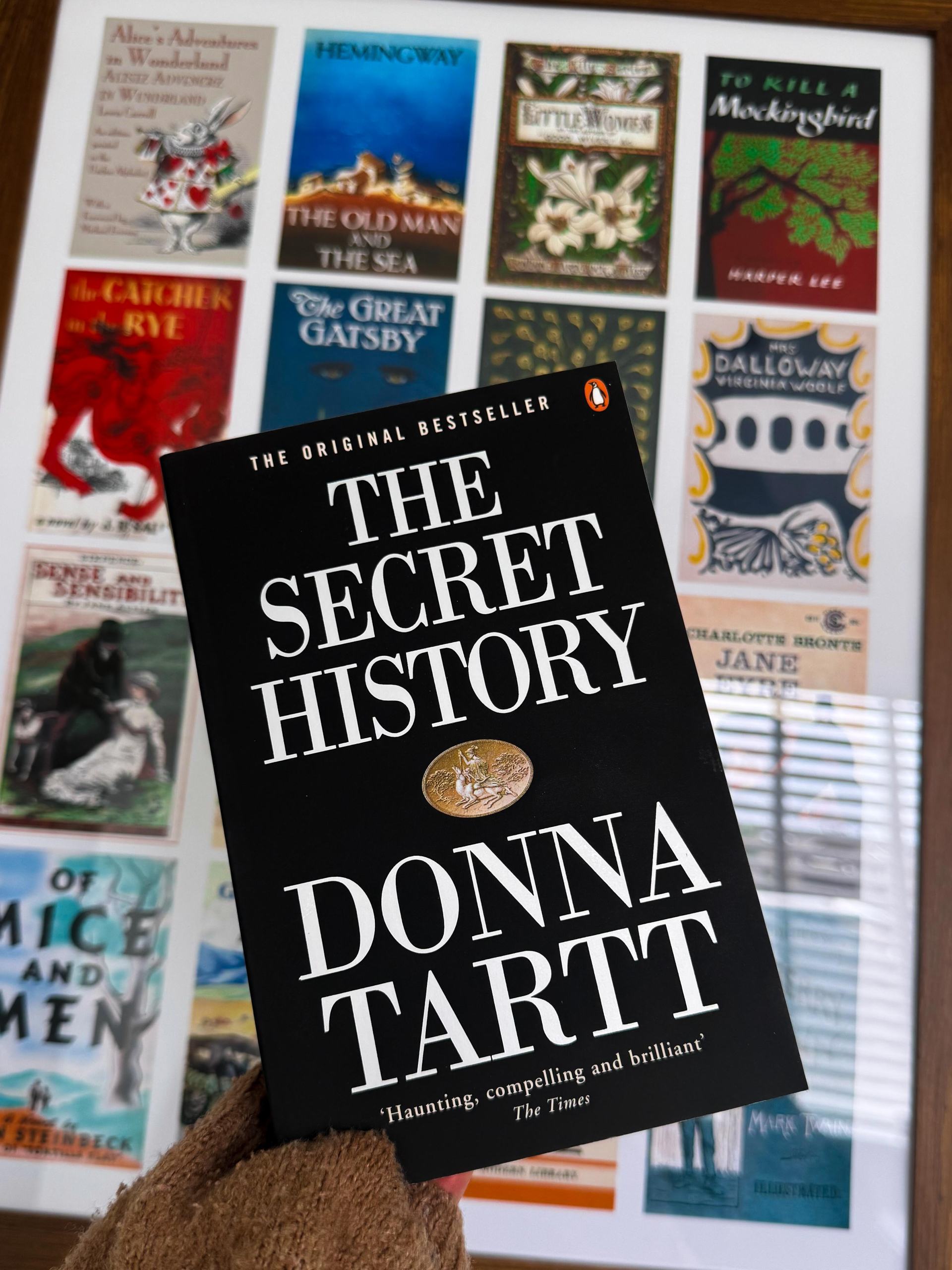
The Secret History by Donna Tartt

And finally, the dark academia bible itself: The Secret History.
The book that in between hospital visits and listening to Bleachers’ Merry Christmas, Please Don’t Call on the train to work, convinced me that my next writing project would be dark academia. Donna Tartt is the blueprint – anything else tends to veer into Temu territory.

At its core, The Secret History an inverted murder mystery: we’re told from the very first page that Bunny dies, and that the group of eccentric, hyper-intellectual misfits are responsible. The real question isn’t really what happened, but why, and what happens to a group of people when they step outside morality and then have to keep living inside the aftermath.

Structurally, it really is two books stitched together. The first half is pure tension with obsession, aestheticised academia, the slow gravitational pull towards inevitability. And then Bunny dies, and everything shifts into a second, much heavier register: guilt, decay, paranoia, and the increasingly claustrophobic reality of trying to exist as someone who has done something irreversible. Although, I did much prefer the first half and was surprised when I realised I still had 200 or so pages left to conquer.

What makes The Secret History so enduring is that Tartt doesn’t really care about making the characters likeable. They’re pretentious, self-mythologising, emotionally stunted catastrophes in cashmere – and yet the prose is so controlled and seductive that you still get pulled into their worldview, even as you’re actively judging them for it.

It’s also very much about privilege and insulation. What happens when a group of young people are given enough beauty, education, and intellectual justification to convince themselves that normal rules don’t apply. And then, of course, reality arrives anyway.

By: samanthakilford · In: Book Review, Books · Tagged: Adult Fiction, Angela Carter, Anke Richter, Araminta Hall, British Lit, Bunny, Classics, Contemporary, Crime, Cult Trip, Dark Academia, Donna Tartt, Dystopia, Dystopian, Emma Glass, Fantasy, Feminism, Gothic, Historical Fiction, Horror, Immaculate Conception, Journalism, Laura Purcell, LGBTQ+, Ling Ling Huang, Magic, Magical Realism, Memoir, Mona Awad, Mrs Jekyll, Mystery Thriller, Nights at the Circus, Non Fiction, Novella, Olivie Blake, One of the Good Guys, Paranormal, Psychology, Queer, Religion, Retellings, Science Fiction, Sociology, The Atlas Six, The Secret History, The Silent Companions, Thriller, True Crime, We Love You Bunny, Young Adult

you’ll also love

Book Review: The Whispering Muse by Laura Purcell
Book Review: Sunrise on the Reaping by Suzanne Collins
Book Review: The Heiress by Rachel Hawkins

Join the List

Stay up to date & receive the latest posts in your inbox.

Reader Interactions

Leave a Reply Cancel reply

Your email address will not be published. Required fields are marked *

Next Post >

Book Review: Graveyard Shift by M.L. Rio

Primary Sidebar

Meet Samantha

Meet Samantha
hello!

twenty-eight. talks a lot about literature, tech and taylor swift.

Follow Me

Subscribe via Email

Enter your email address to subscribe to this blog and receive notifications of new posts by email.

Categories

  • Books
  • Travels
  • Ramblings
  • Food

Search

Footer

Extra Info

  • Disclosures

Copyright © 2026 · Theme by 17th Avenue

We use cookies to ensure that we give you the best experience on our website. If you continue to use this site we will assume that you are happy with it.